
Every parent wants their child to do well in school. Whether it is academics, sports, music, dance, public speaking, leadership, or any other activity, parents want to see their children grow, improve, and reach their full potential.
At the same time, many parents often wonder why students from some schools seem more confident, learn concepts more quickly, participate more actively, and perform better across different areas. Is it because those students are naturally more talented? Are they simply smarter than others?
In most cases, the answer is no. The difference is often the environment in which students learn. A school plays a much bigger role in a child’s growth than many people realise. The way teachers teach, how students are supported, the opportunities they receive, and the culture they experience every day can have a significant impact on how well they learn and perform.
Why Some Schools Fail in Their Duty to Help Every Student Learn Better, Faster, and Perform at Their Best
Most schools have classrooms, teachers, books, laboratories, and sports facilities. However, having different learning facilities alone does not guarantee that students will learn effectively or perform well. There are several reasons why students fail to learn effectively and reach their full potential in certain schools.
1. Students Are Treated as a Class Instead of as Individuals
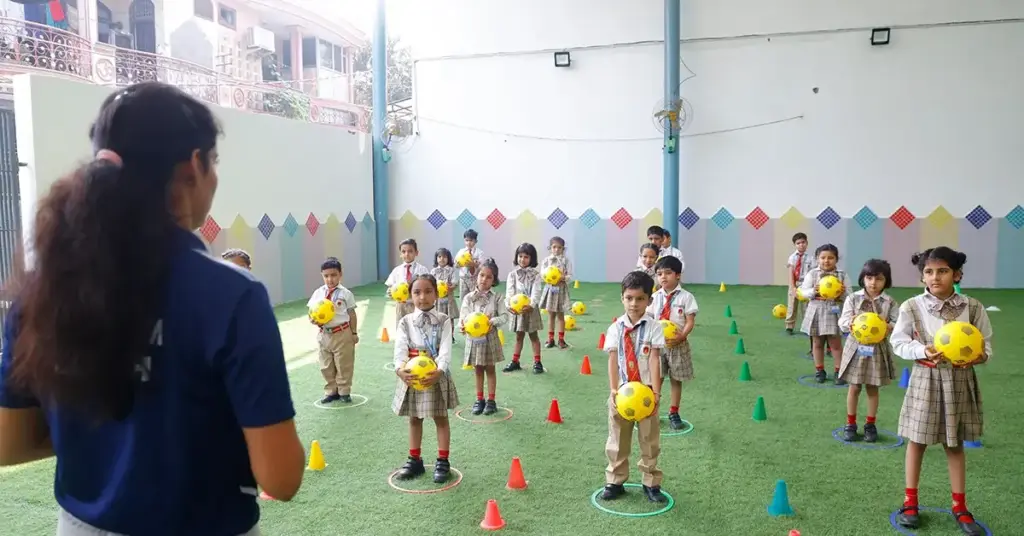
Every student is unique and learns differently. Some students learn quickly through visual demonstrations, some through practical activities, some by asking questions, while others learn through repetition and discussion.
When every student is taught in exactly the same way and a class is treated as a single group rather than a collection of individual learners, many students struggle to perform at their best. Without personalised attention, guidance, and support, it becomes difficult for students to overcome their challenges, develop confidence, and reach their full potential.
A school must understand that students have different strengths, weaknesses, interests, and learning styles. Without this understanding, many students get left behind even though they are fully capable of succeeding.
2. Too Much Focus on Completing the Syllabus
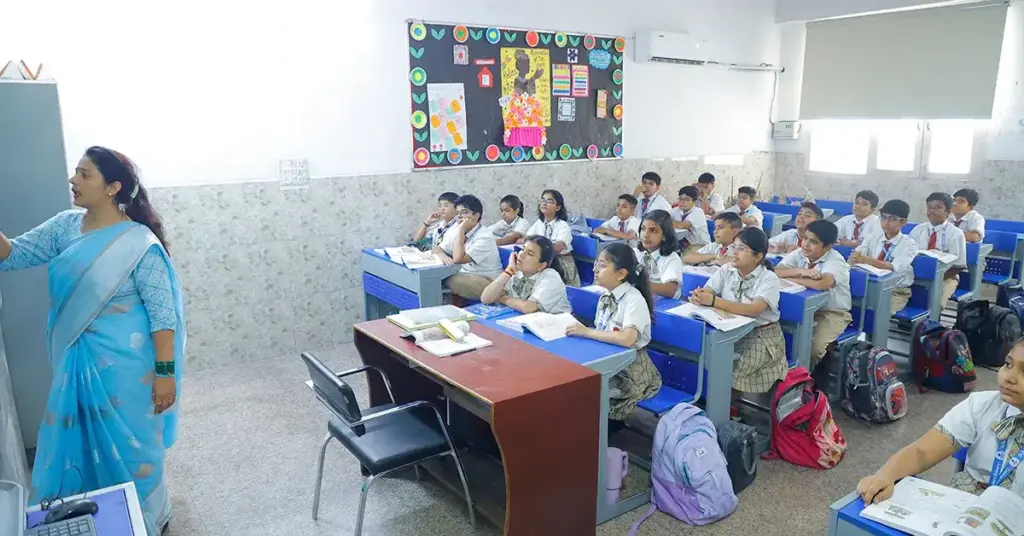
In some schools, completing the syllabus becomes more important than ensuring that students truly understand the fundamentals of what they are learning. As a result, many students begin relying on memorisation, especially as examinations approach. While memorisation may help some students score good marks in the short term, the deeper learning that should take place often never happens.
Students may remember formulas, dates, definitions, events, or rules long enough to write them in an exam, but they do not always understand the concepts behind them. This becomes a problem when they are expected to apply that knowledge in higher classes or real-life situations.
Because of this focus on completing the syllabus, teachers may finish chapters on time, but many students are left with unanswered questions and an incomplete understanding of the concepts being taught. Over time, these gaps in understanding continue to grow, making future topics more difficult to grasp and master.
True learning happens when students understand concepts, ask questions, and develop strong foundations, not simply when chapters are completed or information is memorised for an examination.
3. Learning Remains Limited to Textbooks
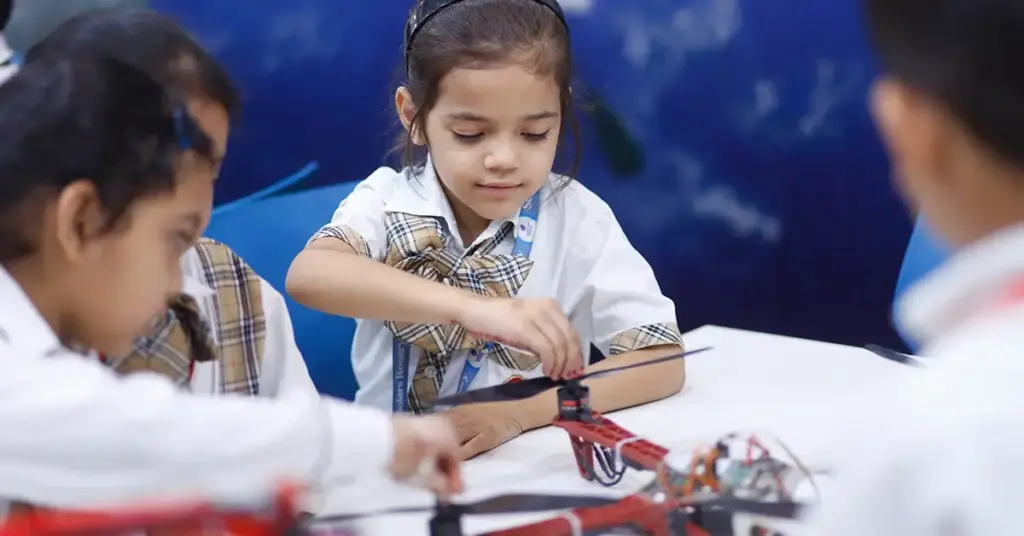
Children learn best when they can see, touch, experiment, build, create, apply what they have learned, and even explain those concepts to others. A student who demonstrates Newton’s Laws of Motion through an activity, presents a scientific concept in front of the class, or helps a friend understand a difficult topic is often learning far more deeply than a student who is simply memorising information from a textbook.
However, in some schools, learning remains largely limited to textbooks, notes, and traditional classroom instruction. Even practical sessions in laboratories are sometimes conducted in a routine, textbook-driven manner where students simply follow instructions instead of exploring, questioning, and discovering concepts for themselves.
As a result, learning can become passive, repetitive, and uninspiring. This not only affects academic performance but also limits creativity, critical thinking, problem-solving abilities, confidence, and the overall development of students as learners.
4. Students Are Not Given Enough Opportunities to Discover Their Strengths
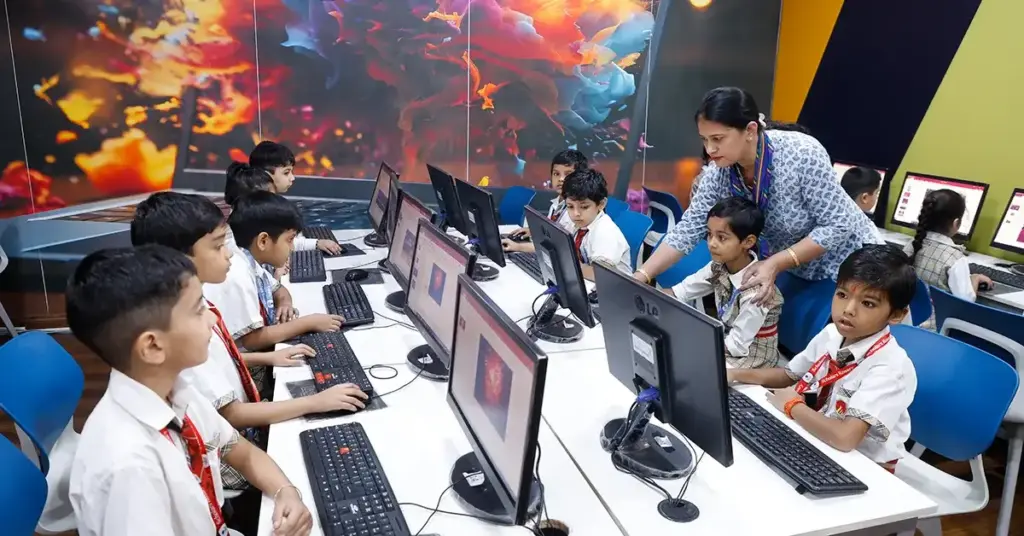
Not every student is meant to excel in the same area. While some naturally perform well in Science and Mathematics, others may have exceptional abilities in sports, music, dance, art, technology, leadership, communication, or creative thinking. Every child has unique strengths, and each deserves the opportunity to discover and develop them.
When a school measures success using only one standard, many students never get the chance to realise what they are truly capable of. Great schools understand that education is not about fitting every child into the same mold. It is about recognising individual potential and creating opportunities for every student to grow.
One of the most effective ways to help students discover their strengths is through positive reinforcement. When teachers identify a student’s talent, appreciate their efforts, and encourage them to keep improving, it builds confidence and motivates them to perform even better.
For example, if a teacher compliments a student’s neat handwriting in front of the class, that student is likely to put even more effort into maintaining and improving it. Similarly, if a student performs well in Economics and the teacher acknowledges the achievement with sincere praise or a small reward, such as a chocolate or a certificate, the student feels recognised and becomes more motivated to excel in the subject.
The same principle applies beyond academics. Imagine a student whose music teacher tells her that she has a beautiful voice and encourages her to continue singing. That single moment of encouragement can inspire her to practise more, build confidence, and eventually excel in music. Sometimes, a few genuine words of appreciation from a teacher can shape a student’s interests and future aspirations.
This is what good schools do. They provide students with opportunities to explore different subjects, sports, arts, and activities so they can identify their natural talents and interests. More importantly, they create an environment where every achievement, big or small, is recognised and valued.
When students discover what they are good at, they become more confident, more engaged, and more willing to take on new challenges. This confidence often extends beyond one area of talent, helping them perform better academically, participate actively in school life, and develop into well-rounded individuals who are prepared for future success.
5. Fear Replaces Their Curiosity

Many students hesitate to ask questions in the classroom. They worry about making mistakes while asking a question, struggling to express their thoughts clearly, or being laughed at by their classmates. Some fear that the teacher may not understand what they are trying to ask, while others worry that asking a simple question might make them appear inattentive or less intelligent.
The same fear appears during classroom discussions. Even when students know part of the answer, they often avoid making eye contact or raising their hands because they are afraid of giving the wrong answer or being corrected in front of everyone.
However, curiosity is one of the most important parts of learning. When curiosity disappears, learning begins to fade. Students stop asking questions, stop exploring new ideas, and gradually lose the desire to understand concepts more deeply. If they never ask questions, they never discover what they do not know.
Unfortunately, some schools unintentionally create an environment where students feel intimidated by their teachers. Instead of encouraging curiosity, fear takes its place, making students silent and hesitant.
Good schools understand that curiosity is the foundation of meaningful learning. That is why they train their teachers to create classrooms where students feel comfortable asking questions, even if those questions go beyond the lesson being taught.
For example, imagine a Physics class where the teacher is explaining the speed of light and solving numerical problems. A student raises a hand and asks,
“Ma’am, we measure speed using distance and time. But what exactly is time? How do scientists define it?”
Instead of saying, “That’s not part of today’s lesson,” the teacher smiles and replies,
“That’s an excellent question. Time is the way we measure how events happen and how long changes take. We can’t see or touch time directly, but we observe it through clocks and by noticing changes around us, such as the Earth’s rotation, the movement of planets, or even your heartbeat. Scientists are still exploring the nature of time, which makes it one of the most fascinating topics in Physics.”
That one thoughtful response can leave a lasting impression. The student not only understands something beyond the textbook but also becomes more interested in Physics. A simple question answered with encouragement could inspire a lifelong passion for science. Who knows? One day, that curious student might become a scientist contributing to organisations like ISRO.
Students learn faster when they feel comfortable asking questions, exploring new ideas, and thinking independently. They are more willing to participate, make mistakes, and learn from them. Good schools recognise this and create classrooms where curiosity is welcomed rather than discouraged.
Schools that nurture curiosity help students become confident learners, independent thinkers, and lifelong problem-solvers. Schools that discourage curiosity, on the other hand, often limit a student’s ability to grow beyond the textbook.
6. Students Do Not See How Learning Connects to Their Future
Children are naturally more motivated when they understand the purpose behind what they are learning. When lessons are connected to real-life situations, future careers, higher education, or everyday problem-solving, students become more engaged and eager to learn.
For example, a student who enjoys writing and language may gradually discover, through classroom activities, competitions, and encouragement from teachers, that they have a talent for communication. This may inspire them to explore careers such as teaching, journalism, writing, or public speaking. Similarly, a student who develops a strong interest in Biology and understands how it relates to medicine may become more focused on scoring well in board examinations and preparing for competitive exams with the dream of studying at a good medical college. As students begin to see how today’s learning can shape tomorrow’s opportunities, they naturally become more motivated to learn and perform better.
However, when schools fail to create these connections, learning often feels like a routine of completing assignments, preparing for exams, and memorising facts. Without a clear sense of purpose, students may lose interest, motivation, and the curiosity needed to achieve their full potential.
What Does Scholars Rosary Senior Secondary School Do Differently from other Schools in Rohtak?
There are multiple schools in Rohtak but at Scholars Rosary Senior Secondary School, we do everything differently for the benefit of students.
We believe every student deserves the opportunity to learn, grow, and succeed. This belief has guided us from our earliest days at Scholars Rosary Preparatory School to our Senior Secondary School today.
Our school provides quality education from Class 3 to Class 12. Just as our senior secondary education is highly regarded, our primary education is equally strong, which is why many parents consider us the Best Primary School in Rohtak.
1. We Focus on Every Student, Not Just a Few
Our goal is not to help only a handful of students perform well. We work to ensure that every student receives the care, attention, guidance, and encouragement needed to progress.
Our teachers understand that every child learns differently, which is why they work closely with both students and parents to strengthen understanding, overcome challenges, and build confidence.
Whether a student needs additional academic support, extra guidance, individual attention, or encouragement in extracurricular activities, our teachers provide the care and support needed to help every child learn better, grow stronger, and perform at their best.
2. We Build Strong Foundations Before Moving Forward
At Scholars Rosary, we believe that strong basics create strong learners. Our teachers focus on concept clarity and understanding rather than rote memorisation. Complex topics are explained in a simple and engaging manner so that students can understand, retain, and apply what they learn.
Instead of rushing through the syllabus, we ensure every student builds a solid understanding before progressing to more advanced concepts. This approach strengthens their confidence, improves problem-solving skills, and prepares them for long-term academic success.
3. We Combine Theory with Practical Learning
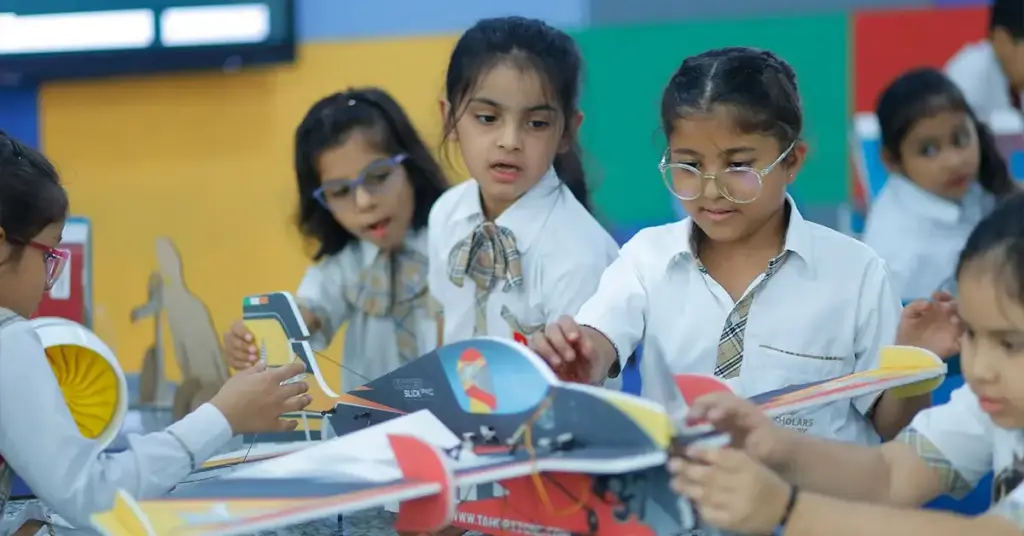
Learning at Scholars Rosary extends beyond textbooks. Students learn through experiments in our Physics, Chemistry, and Biology laboratories, while our Robotics Lab, AeroBay Lab, STEM initiatives, projects, presentations, and technology-enabled classrooms provide opportunities to explore, create, and innovate.
By connecting classroom concepts with real-world experiences, students develop stronger analytical thinking, creativity, and problem-solving abilities. This hands-on approach not only deepens their understanding of subjects but also equips them with practical skills and confidence that benefit them throughout their academic journey and beyond.
4. We Encourage Students to Explore Their Talents
Academic excellence is important, but it is only one part of a student’s overall development. At Scholars Rosary, students are encouraged to discover their unique strengths through sports, music, dance, arts, leadership opportunities, competitions, clubs, and other co-curricular activities.
When students identify what they enjoy and what they are naturally good at, they become more confident, motivated, and actively engaged in learning. This confidence often carries into the classroom, helping them participate more, develop a positive attitude towards learning, and perform better in academics as well.
5. We Create a Supportive Learning Environment
At Scholars Rosary, every student is encouraged to ask questions, participate in discussions, express creative ideas, and think independently. Our teachers create classrooms where students feel comfortable exploring new concepts without the fear of making mistakes.
We believe that mistakes are an important part of the learning process. By helping students learn from them and improve continuously, we develop confident learners who actively participate, think critically, and achieve better academic outcomes.
6. We Help Students See the Bigger Picture
Education is not just about scoring well in examinations; it is about preparing students for life beyond school. At Scholars Rosary, we help students understand how the knowledge and skills they develop today can open doors to higher education, meaningful careers, and future opportunities.
Through career guidance, alumni interactions, exposure to emerging fields, and real-world learning experiences, students gain a clearer understanding of the paths available after school. This helps them set meaningful goals, stay motivated, make informed academic choices, and work with greater purpose towards the future they aspire to build.
7. Inspiring Students Through Alumni Success Stories
The achievements of our alumni show students what is possible with dedication, the right guidance, and a strong educational foundation. Their success stories encourage students to dream bigger, set meaningful goals, and work consistently towards achieving them.
Today, our alumni are pursuing higher education at reputed institutions and building successful careers across a wide range of fields. Many are serving as doctors, medical researchers, and scientists in leading hospitals, healthcare organisations, and research institutes, while others have established themselves as engineers, data scientists, software professionals, and analysts at organisations such as Google, JP Morgan Chase, BlackRock, PwC, Ernst & Young, Genpact, and Vedanta.
Seeing former students achieve success helps current students believe that they too can reach their goals through consistent effort, perseverance, and a quality education.
Every Student Has Potential. The Right Environment Unlocks It.
Every child is talented in their own way and has the potential to learn, grow, and succeed. The real difference is not whether a student is naturally gifted, but whether they are given the right environment to discover their strengths, build confidence, stay curious, and continuously improve.
When students are not encouraged to ask questions, explore their interests, understand concepts deeply, connect learning with their future, or receive the guidance they need, many never get the opportunity to perform at their true potential. Their ability is not lacking; the environment simply fails to bring out the best in them.
At Scholars Rosary Senior Secondary School, we believe every student deserves that opportunity. That is why we focus on concept clarity, practical learning, individual attention, talent development, supportive classrooms, career guidance, and meaningful learning experiences that prepare students not only for examinations but also for life beyond school.
That is why our students do not simply learn. They grow, explore, discover, and perform at their very best. Because when the environment is right, every student has the opportunity to unlock their potential and achieve far more than they ever imagined.
FAQs
1. Why Do Some Children Learn Faster Than Others in School?
Every child learns differently. Learning speed depends on factors such as teaching methods, concept clarity, confidence, learning environment, and individual strengths. At Scholars Rosary, one of the trusted schools in Rohtak, we focus on helping every student understand concepts at their own pace so they can learn with confidence.
2. How Do Learning Styles Affect a Child’s Ability to Learn?
Some children learn best through visual explanations, while others understand better through practical activities, discussions, or repetition. When teaching methods match a child’s learning style, understanding becomes easier. At Scholars Rosary, we use interactive teaching and practical learning to support different learning needs.
3. What Role Does a School Environment Play in Learning Speed?
A positive school environment encourages students to ask questions, participate actively, and learn without fear of making mistakes. When students feel supported, they understand concepts more quickly and retain them for longer. This student-centred approach is one reason many parents consider Scholars Rosary among the Best Senior School in Rohtak.
4. How Can Parents Help a Child Who Takes Longer to Understand Concepts?
Parents can help by being patient, encouraging regular practice, and focusing on understanding rather than memorisation. Appreciating effort and maintaining open communication with teachers also makes a significant difference. Together, parents and schools can build a child’s confidence and love for learning.
5. Why Do Some Children Perform Well in One Subject but Struggle in Another?
Every child has different interests, strengths, and learning preferences. A student may naturally enjoy one subject more than another, making it easier to understand and perform well. With the right guidance, encouragement, and teaching approach, students can strengthen weaker subjects while continuing to build on their strengths.
6. Should Parents Compare Their Child’s Learning Speed with Others?
No. Every child learns and develops at their own pace. Comparing children can affect their confidence and motivation. Instead, parents should focus on their child’s individual progress and encourage continuous improvement. At Scholars Rosary, recognised by many as the best school in Rohtak for 11th and 12th, we believe every student deserves the opportunity to learn, grow, and reach their full potential.