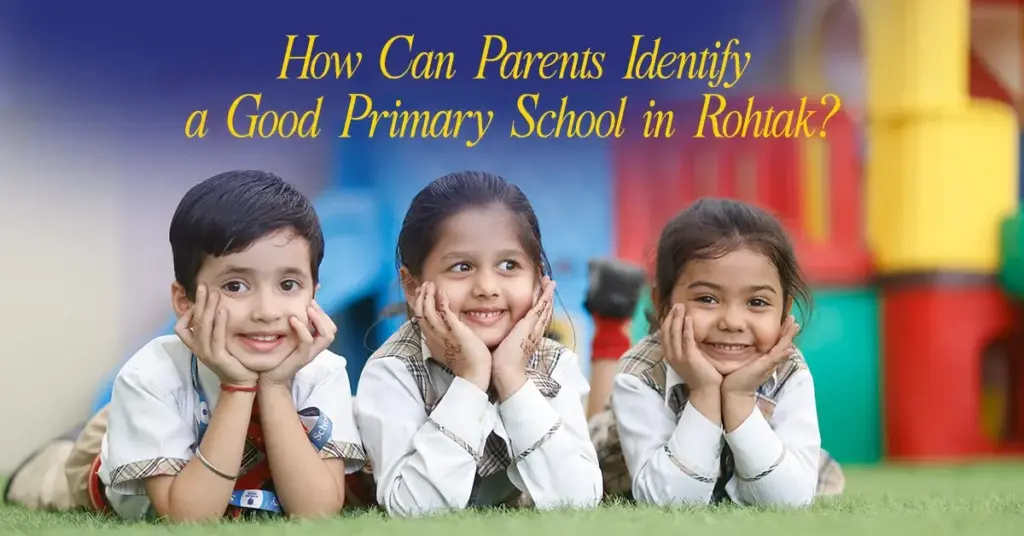
A child’s primary education lays the foundation for everything they learn in the years ahead. During these early years, children develop reading and writing skills, learn how to communicate, make friends, solve problems, and build the confidence needed to succeed both inside and outside the classroom.
This is why choosing the right primary school is one of the most important decisions parents make. The right school not only provides quality education but also helps children develop good values, curiosity, creativity, communication skills, and a love for learning from an early age.
However, with so many schools to choose from, many parents often ask the same question: How can we identify a good primary school for our child?
While every school may have attractive brochures, modern classrooms, or impressive facilities, these alone do not determine the quality of education. Parents should look beyond appearances and carefully evaluate what truly matters for their child’s growth and development.
How to Identify a Good Primary School for Your Child
1. Look for a Child-Centred Learning Approach
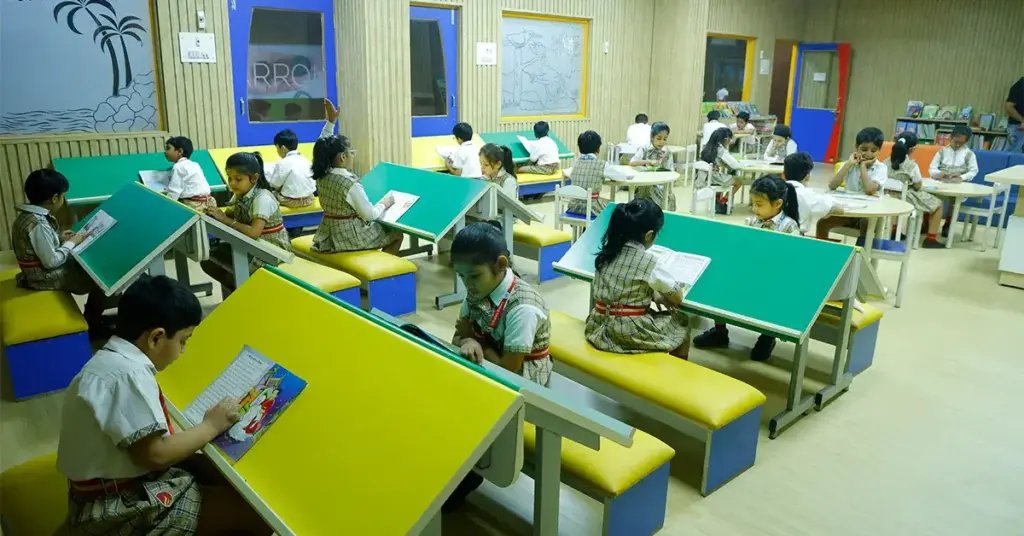
Young children learn differently from older students. A good primary school understands this and uses interactive, activity-based, and practical learning methods instead of relying only on textbooks. Children should enjoy learning through stories, games, projects, discussions, and hands-on experiences.
2. Choose a School with Caring and Experienced Teachers
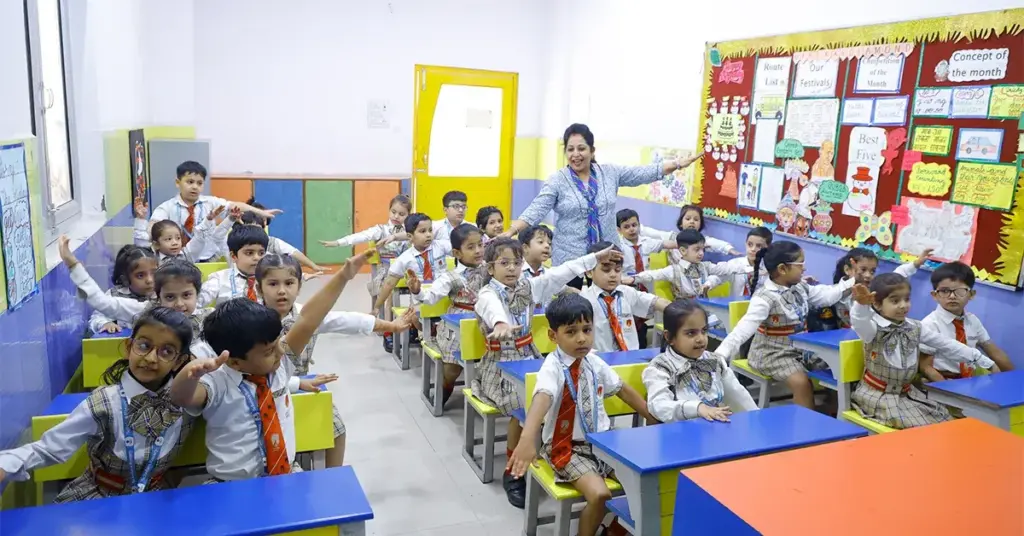
Teachers have a lasting impact on a child’s learning and personality. Good teachers are patient, approachable, and understand that every child learns at a different pace. They encourage children to ask questions, appreciate their efforts, and help them build confidence throughout their learning journey.
3. Visit the School Environment
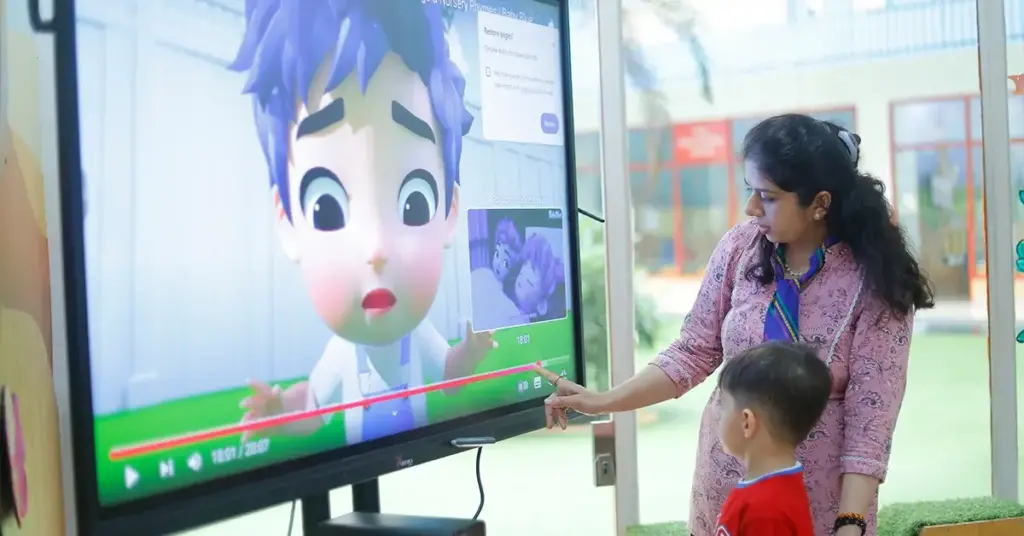
A school should feel welcoming, safe, and positive. Observe how teachers interact with students, whether children appear happy, and whether classrooms encourage learning and participation. A positive environment helps children adjust more easily and enjoy coming to school every day.
4. Check Whether the School Focuses on Overall Development
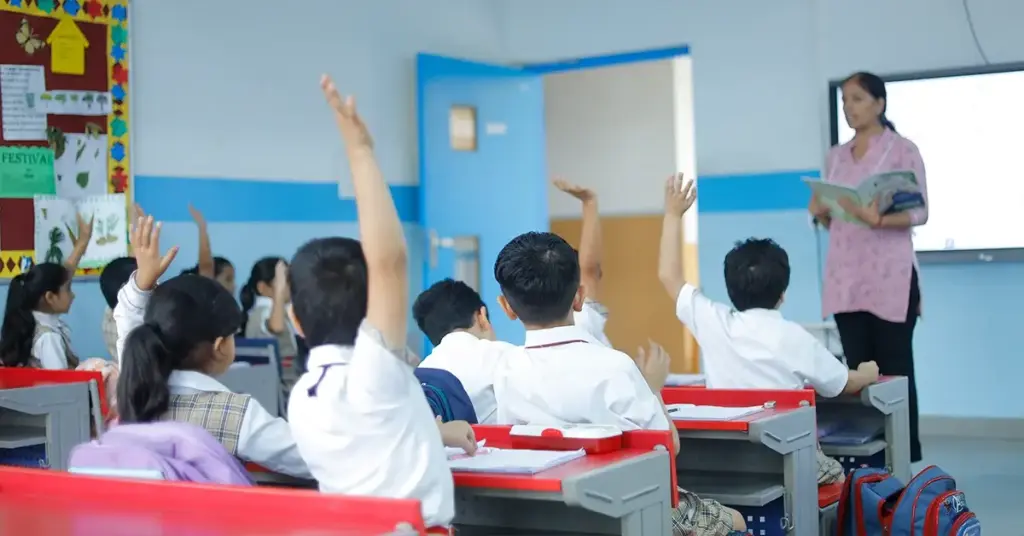
Academic learning is important, but children also need opportunities to develop communication skills, creativity, teamwork, leadership, and confidence. Look for a school that gives equal importance to sports, music, dance, art, storytelling, public speaking, and other co-curricular activities.
5. Understand the School’s Teaching Philosophy
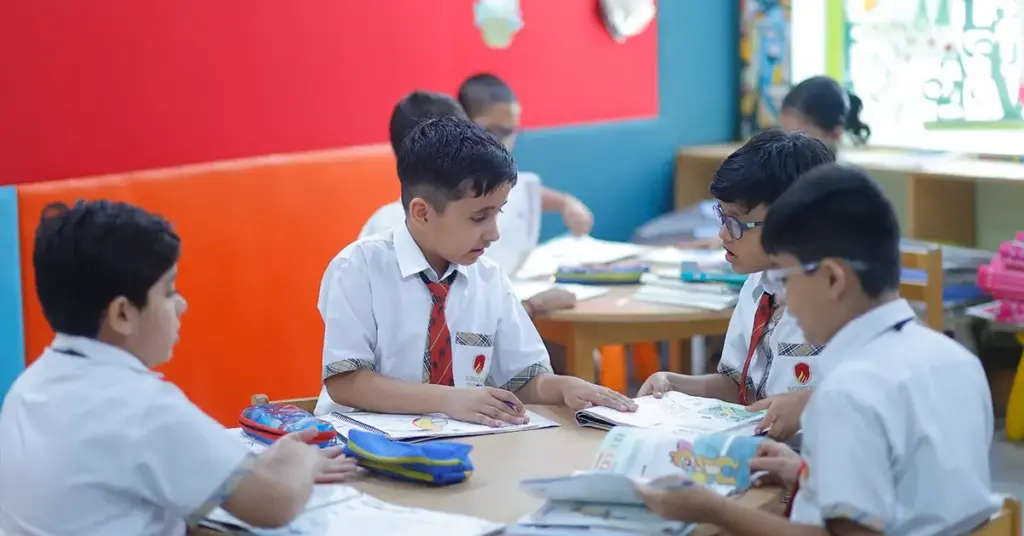
Every school has its own approach to education. A good primary school focuses on concept clarity rather than rote learning and encourages children to think, explore, ask questions, and solve problems independently.
6. Explore the Learning Facilities
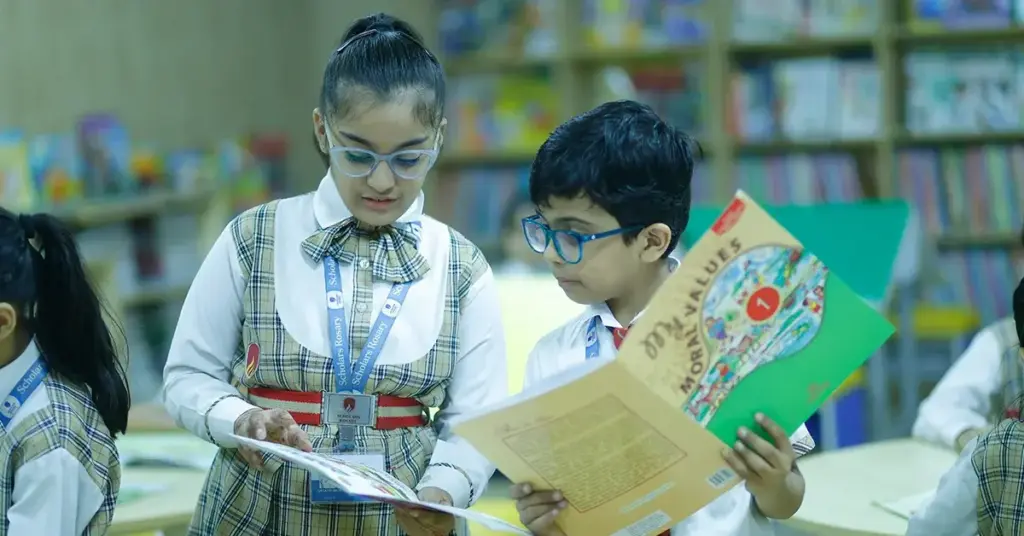
Modern learning spaces make education more engaging and meaningful. Well-equipped classrooms, libraries, activity rooms, computer labs, play areas, and age-appropriate learning resources help children understand concepts better while making learning enjoyable.
7. Look for Strong Parent-School Communication
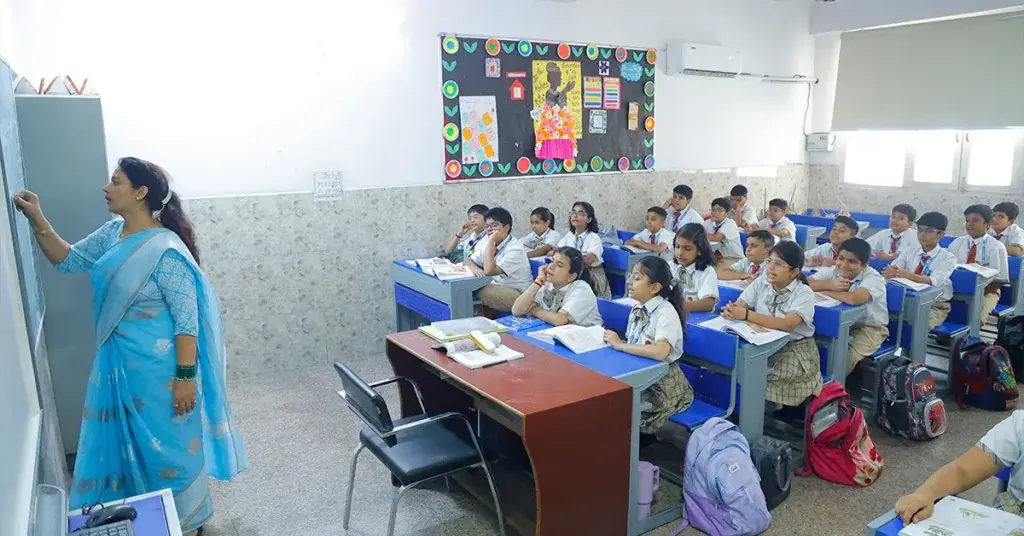
Parents and teachers should work together to support a child’s development. A good school keeps parents informed about academic progress, classroom participation, behaviour, and overall development through regular communication and parent-teacher interactions.
8. Consider the School’s Values and Culture
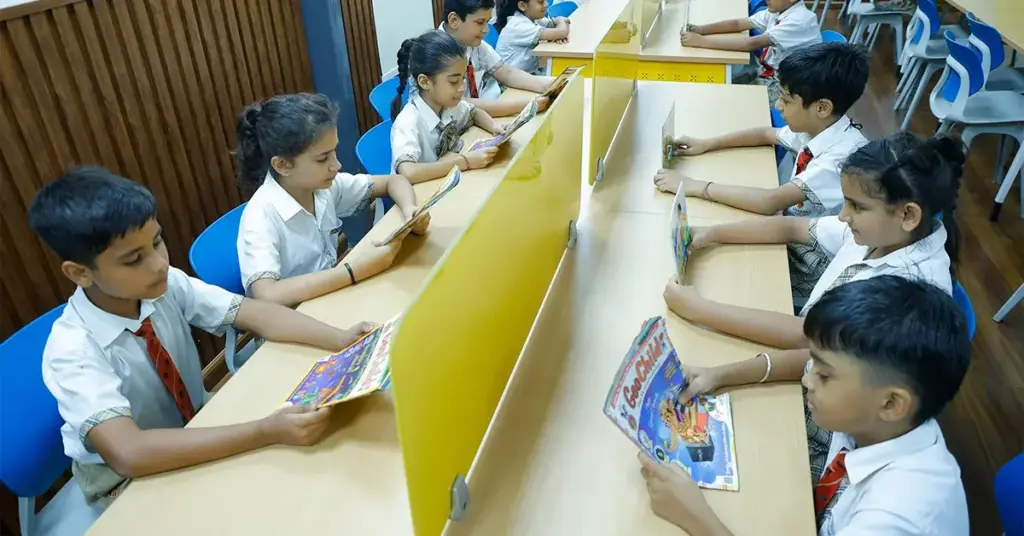
Children spend a significant part of their day at school. Along with academics, they also learn discipline, respect, empathy, responsibility, and teamwork. Choose a school that helps children develop strong values while creating a positive and inclusive learning environment.
Why Many Parents Consider Scholars Rosary Preparatory School Among the Best Primary Schools in Rohtak
At Scholars Rosary Preparatory School, we believe primary education is about much more than teaching children to read and write. It is about helping every child build confidence, develop curiosity, strengthen communication skills, and enjoy learning from the very beginning.
Our preparatory school offers classes from Pre-Nursery to Class III, providing young learners with a strong academic and personal foundation before they move on to higher classes. We combine experienced teachers, activity-based learning, individual attention, modern learning facilities, co-curricular activities, and a nurturing environment that supports every aspect of a child’s development.
Every point discussed above forms a part of our approach to education. Whether it is personalised attention, concept-based learning, parent-school collaboration, or opportunities for children to explore their talents, we strive to provide an environment where every child can learn, grow, and thrive.
These are some of the reasons many parents consider Scholars Rosary Preparatory School a Best Primary School in Rohtak, a trusted private school in Rohtak, and one of the top CBSE schools in Rohtak for early childhood education.
Choosing the Best Primary School For the Right Beginning
The right primary school can shape a child’s attitude towards learning for years to come. A school that encourages curiosity, builds confidence, supports individual growth, and creates a positive learning environment gives children the best possible start in life.
Before making your decision, visit the school, meet the teachers, understand its teaching philosophy, and observe how children learn and interact. The right choice today can help your child develop the knowledge, confidence, values, and skills needed for a bright and successful future.
At Scholars Rosary Preparatory School, we are committed to giving every child that strong beginning through quality education, caring teachers, and a learning environment where every young learner feels valued, inspired, and ready to grow.
FAQs
1. What Are the Most Important Factors to Consider When Choosing a Primary School?
Parents should look beyond academics and consider the quality of teachers, learning environment, safety, teaching methods, co-curricular activities, and overall child development. At Scholars Rosary Preparatory School, we focus on helping every child learn, grow, and build confidence through a balanced approach to education.
2. What Should I Check During a School Visit in Rohtak?
Observe the classrooms, learning facilities, safety measures, cleanliness, teacher-student interaction, and how comfortable children seem in the school environment. Visiting Scholars Rosary Preparatory School allows parents to experience our child-friendly campus, activity-based learning, and supportive atmosphere firsthand.
3. How Important Are Teachers in a Child’s Primary Education?
Teachers play one of the most important roles during a child’s early years. Caring, patient, and experienced teachers help children develop confidence, curiosity, and a love for learning. At Scholars Rosary Preparatory School, our teachers focus on understanding every child’s individual learning needs and encouraging them to reach their full potential.
4. How Important Is School Safety When Choosing a Primary School?
School safety is one of the most important factors parents should consider. Children learn better when they feel secure and comfortable in their surroundings. At Scholars Rosary Preparatory School, we provide a safe, caring, and well-supervised environment where children can learn, play, and grow with confidence.
5. Should I Consider School Infrastructure Before Admission?
Yes. Well-designed classrooms, activity areas, play spaces, and age-appropriate learning resources create a more engaging learning experience. At Scholars Rosary Preparatory School, our facilities are designed to support both academic learning and the overall development of young learners.
6. What Questions Should Parents Ask Before Taking Admission to a Primary School?
Parents should ask about the school’s teaching approach, teacher experience, classroom activities, safety measures, parent-school communication, and opportunities for a child’s overall development. At Scholars Rosary Preparatory School, we encourage parents to visit our campus, ask questions, interact with our team, and understand how we support every child’s academic, social, and emotional growth.